
Washington native plants can thrive for years, but only if they’re planted in the right spot. Here’s everything Pacific Northwest homeowners need to know.
By Mailen Castro
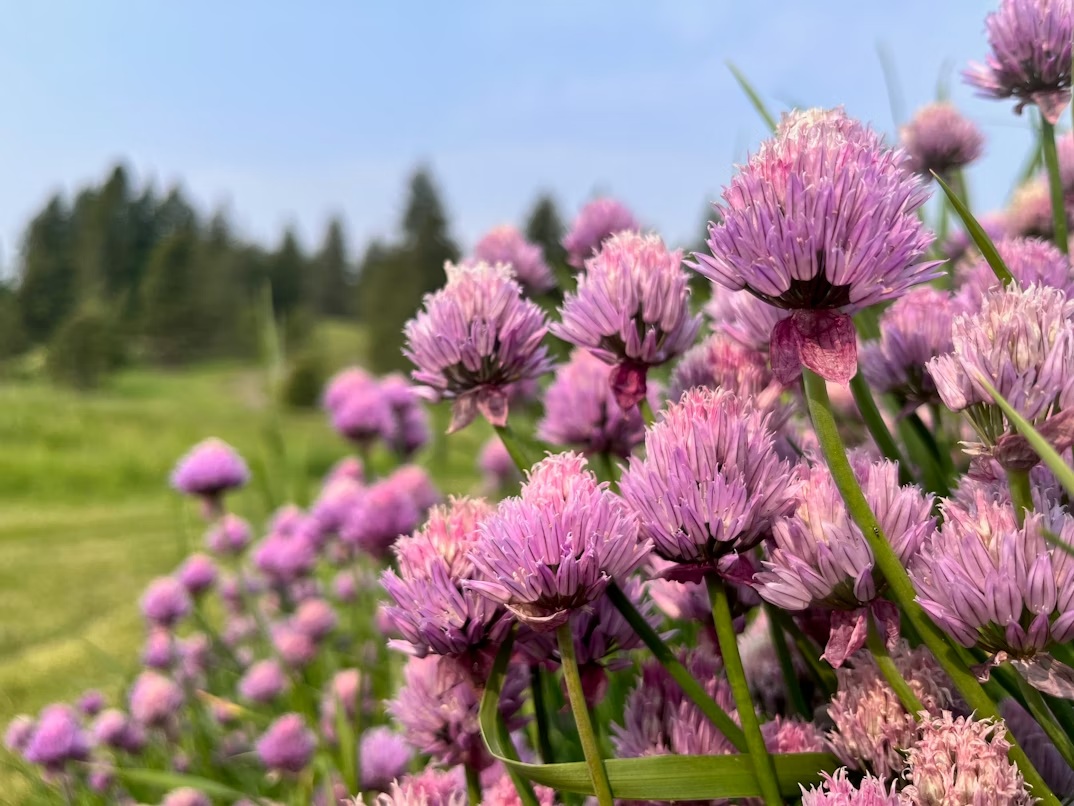
You picked out something that looked beautiful at the nursery. You dug the hole, planted it carefully, watered it faithfully… and watched it slowly die anyway.
Sound familiar? You’re not alone. Every year, Washington homeowners spend hundreds of dollars on plants that struggle or fail because they were put in the wrong spot. Too much sun, too much shade, the wrong soil — it all adds up.
Here’s the good news: Pacific Northwest native plants are some of the most resilient, adaptable plants in the world. Once they’re in the right spot, they largely take care of themselves — surviving our famously wet winters and dry summers without constant watering or fussing.
The key phrase is right spot. And that’s what this guide is about.
We’ve organized the best Pacific Northwest natives by light condition, so you can stop guessing and start planting with confidence.
Why Native Plants Are a Smarter Choice for Your Washington Yard
Before we get into sun vs. shade specifics, it’s worth understanding why native plants deserve a spot in your landscape in the first place — especially if you’ve been burned by high-maintenance plants in the past.
They use less water
Once established, Pacific Northwest natives are adapted to our regional rainfall patterns. That means less supplemental watering during our dry summers — and lower water bills. Non-native ornamentals often demand regular irrigation just to stay alive.
They’re adapted to our soil and climate
Native plants evolved here. They know how to handle our heavy clay soils, our wet winters, and our summer droughts. You’re not fighting the environment — you’re working with it.
They support local wildlife
Washington natives attract native pollinators, birds, and beneficial insects that non-native plants simply can’t. A garden full of natives is a living ecosystem, not just a collection of pretty plants.
They’re lower maintenance long-term
Yes, there’s an establishment period — usually the first one to two growing seasons. But after that, a well-chosen native plant largely thrives without intervention. That’s the payoff.
Not sure if your yard is a good candidate for native plants? We offer free consultations to help Washington homeowners assess their site and make a plan. Reach out to get started.
Sun-Loving Pacific Northwest Native Plants
Full sun is generally defined as six or more hours of direct sunlight per day. If your yard has south or west-facing exposures, open lawn areas, or beds that don’t get afternoon shade from trees or structures, these Washington native plants will thrive.
Perennials for Sunny Spots
Perennials come back year after year, making them an excellent investment for sunny borders and open beds.
- Aquilegia formosa (Western Columbine) — one of the most beautiful natives you can grow. Red and yellow nodding flowers attract hummingbirds in spring. Self-seeds freely once established.
- Erigeron speciosus (Showy Fleabane) — a low-maintenance daisy-like perennial that blooms lavender-purple through summer. Tough, long-lived, and beloved by pollinators.
- Lupinus polyphyllus (Bigleaf Lupin) — bold, tall, and dramatic with purple flower spikes. Also fixes nitrogen in the soil, actually improving your garden over time.
- Sedum divergens / Sedum spathulifolium (Sedum varieties) — two excellent drought-tolerant succulents perfect for rock gardens, slopes, or hot dry spots where other plants give up.
- Sisyrinchium species (Blue-Eyed Grass) — delicate but surprisingly tough, with small violet-blue flowers on slender stems. Naturalizes beautifully in sunny meadow-style plantings.
- Sidalcea malviflora (Checkerbloom) — a native mallow with pink hollyhock-like blooms. Elegant, upright, and wonderful for cutting.
- Camassia species (Camas) — the famous Pacific Northwest bulb that produces spectacular blue-purple flower spikes in spring. Historically important to Indigenous peoples of the region.
Shrubs for Sun
Sun-loving native shrubs provide structure, seasonal interest, and habitat value in ways that perennials alone can’t deliver.
- Amelanchier (Serviceberry) — one of the most versatile native shrubs. White spring flowers, summer berries that birds adore, and brilliant fall color. Truly a four-season plant.
- Arctostaphylos uva-ursi (Kinnikinnick) — a low-growing evergreen groundcover that’s excellent on slopes, under trees with good light, or in areas where you want weed suppression without regular mowing.
- Ceanothus (California Lilac) — fast-growing, covered in fragrant blue-purple flowers in spring, and absolutely irresistible to pollinators. Drought-tolerant once established.
- Rosa nutkana (Nootka Rose) — the classic Pacific Northwest native rose with simple pink blooms and large rose hips that persist through winter, feeding birds when little else is available.
- Ribes sanguineum (Red Flowering Currant) — one of the first plants to bloom each spring — bright pink-red clusters that hummingbirds flock to before most other food sources are available.
- Spiraea douglasii (Hardhack) — pink fluffy flower plumes in summer and a natural look that works well in naturalistic or low-maintenance landscapes.
Trees for Sun
Native trees provide long-term structure, wildlife habitat, and canopy that you simply can’t get from smaller plants.
- Pseudotsuga menziesii (Douglas Fir) — the iconic Pacific Northwest tree. Majestic, wildlife-rich, and perfectly adapted to our regional climate.
- Abies procera (Noble Fir) — the stately Christmas tree species — a beautiful specimen tree for larger properties.
- Acer macrophyllum (Bigleaf Maple) — spectacular fall color, large leaves, and important habitat value. A true anchor tree for larger Washington yards.
- Pinus contorta var. contorta (Shore Pine) — a tough, adaptable pine that handles exposed, coastal, or challenging sites that would stress other conifers.
Shade-Tolerant Pacific Northwest Native Plants
Shade is one of the most underutilized landscape assets in Washington. Many homeowners see a shady yard as a problem — but with the right natives, shade becomes an opportunity for a lush, layered woodland garden that requires almost no maintenance.
Partial shade is typically defined as two to six hours of direct sun per day. Full shade gets less than two hours. Both conditions have excellent native plant options.
Perennials for Shade
These shade-tolerant perennials form the backbone of any woodland garden.
- Dicentra formosa (Western Bleeding Heart) — the classic woodland perennial, with feathery foliage and dangling pink heart-shaped flowers in spring. Spreads gently to fill gaps.
- Maianthemum dilatatum (False Lily-of-the-Valley) — an excellent low groundcover for moist, shady spots. Creates a dense carpet that crowds out weeds effectively.
- Oxalis oregana (Redwood Sorrel) — perhaps the best shade groundcover available for the Pacific Northwest. It forms a thick, weed-suppressing mat of clover-like leaves and delicate pink flowers.
- Trillium ovatum (Western Trillium) — one of the most beloved woodland wildflowers — white three-petaled blooms in early spring. Slow to establish, but stunning and long-lived.
- Vancouveria hexandra (Inside-Out Flower) — an underused gem with unusual reflexed white flowers and delicate foliage. Excellent groundcover for dry to moderate shade.
- Viola glabella (Stream Violet) — a dainty yellow violet that naturalizes beautifully in moist, shady stream-side or garden conditions.
- Smilacena racemosa (False Solomon’s Seal) — graceful arching stems with white plumes of flowers in spring, followed by red berries in fall. A woodland classic.
- Tellima grandiflora (Fringe Cups) — semi-evergreen rosettes that send up tall spikes of fringed flowers in spring. Extremely tough and adaptable to a range of shade conditions.
Ferns for Shade
No Pacific Northwest woodland garden is complete without ferns. They provide lush texture, year-round structure, and are some of the most maintenance-free plants you can grow.
- Adiantum pedatum (Maidenhair Fern) — the most elegant of the native ferns, with delicate fan-shaped fronds on black stems. Prefers moist, rich soil with consistent shade.
- Athyrium filix-femina (Lady Fern) — fast-growing and lush, this fern fills in quickly to create a full, tropical-looking understory in moist shady spots.
- Polystichum munitum (Sword Fern) — the workhorse of every Pacific Northwest shady garden. Evergreen, tough, drought-tolerant once established, and available everywhere. If you plant nothing else in the shade, plant this.
- Blechnum spicant (Deer Fern) — a striking fern with two distinct frond types — fertile fronds that stand upright and sterile fronds that sprawl outward. Excellent in very moist or boggy shade.
- Woodwardia fimbriata (Giant Chain Fern) — as the name implies, this is a dramatic, large-scale fern for moist shady sites with room for it to make an impact.
Shrubs for Shade
These shrubs bring structure, height, and seasonal interest to areas where little else will grow.
- Gaultheria shallon (Salal) — perhaps the most useful native shrub for shade. Evergreen, deer-resistant, and incredibly tough. Provides food for birds through its dark berries and structure year-round.
- Mahonia aquifolium (Oregon Grape) — Washington’s state flower. Holly-like evergreen leaves, fragrant yellow flowers in late winter (when almost nothing else is blooming), and edible blue berries for wildlife. Handles deep shade admirably.
- Rhododendron macrophyllum (Native Rhododendron) — the Pacific Northwest’s native rhododendron — stunning pink flowers, no fussy care requirements, and a natural fit under Douglas Firs and Western Red Cedars.
- Cornus stolonifera (Redtwig Dogwood) — brilliant red stems make this shrub a winter standout. Spreads by stolons to form thickets — excellent for erosion control on moist slopes.
Sun and Shade Plants That Work in Both Conditions
Not every yard falls neatly into ‘full sun’ or ‘full shade’ — and that’s where these adaptable natives shine. They tolerate a wide range of light conditions, making them ideal for edges, transition zones, and spots where the light changes throughout the day or year.
- Cornus canadensis (Bunchberry) — a low groundcover that produces white flowers and bright red berries. Handles everything from part sun to moderate shade.
- Iris tenax (Oregon Iris) — gorgeous purple-violet flowers in spring. Adaptable, long-lived, and one of the easiest natives to establish.
- Fragaria chiloensis (Beach Strawberry) — an ornamental groundcover that produces edible strawberries. Works across a wide light range and spreads on its own.
- Vaccinium ovatum (Evergreen Huckleberry) — beautiful evergreen foliage, white flowers, and edible berries. One of the most adaptable native shrubs available — it’s useful in almost any situation.
- Linnaea borealis (Twinflower) — a delicate trailing groundcover with pairs of tiny pink bell flowers. Beautiful and underused.
- Acer circinatum (Vine Maple) — one of the finest small trees for the Pacific Northwest landscape. Multi-stemmed, with brilliant fall color and graceful form. Adapts from full sun to deep shade under conifers.
- Symphoricarpos albus (Snowberry) — white berries persist through winter, providing important bird food. Spreads to form thickets — excellent for naturalized areas or erosion control.
Common Mistakes Washington Homeowners Make With Native Plants
Even the right plant can fail if it’s placed incorrectly or cared for improperly. Here are the most common mistakes we see — and how to avoid them.
Planting full-sun species in the shade (and vice versa)
This is the single most common mistake. A Ceanothus planted under a Douglas Fir canopy will struggle and eventually fail, no matter how well you care for it. Before you buy, observe your yard honestly — track where the sun falls and for how long.
Overwatering during summer
Once established, most Pacific Northwest natives are adapted to summer drought. Overwatering can actually stress them, promoting root rot and fungal problems. Less is more once your plants hit their second year in the ground.
Not accounting for changing light conditions
A spot that’s sunny today may be shady in five years as a neighboring tree matures. And that shady corner may actually get significant reflected light. Spend a full day observing before you plant.
Choosing ‘PNW natives’ without checking your specific conditions
Not all Pacific Northwest natives are created equal. A plant native to the dry eastern slopes of the Cascades will behave very differently in Puget Sound’s rainfall. Local sourcing and advice matter.
Expecting instant results
There’s an old gardening saying: ‘First year they sleep, second year they creep, third year they leap.’ Native plants are no exception. Give them time to establish — the payoff is worth the patience.
This is exactly where working with a local landscaping professional pays off. We assess your specific site conditions, soil type, and light patterns before recommending a single plant — so you don’t repeat expensive mistakes. Contact us to schedule a site visit.
How to Read Your Yard Before You Buy Anything
The best investment you can make before buying a single plant is spending time truly observing your yard. Here’s how.
Track your sun patterns
On a clear day, check your yard at 8am, 12pm, and 4pm. Note where direct sun falls at each time. Any area that gets direct sun for six or more hours is full sun. Two to six hours is part shade. Less than two are in full shade. Do this in multiple seasons if possible — winter sun angles are very different from summer.
Understand the Pacific Northwest’s seasonal split
Our climate is unusual: very wet from October through May, then essentially dry from July through September. Plants need to be able to handle both extremes. Natives that evolved here are already adapted — non-natives often aren’t.
Know your soil type
Much of Western Washington has heavy clay soil that drains poorly. Some areas have sandy or loamy soil that drains fast. Most natives prefer well-drained soil, but some — like Skunk Cabbage or Juncus — actually prefer wet conditions. Knowing your soil type helps you match plants to place precisely.
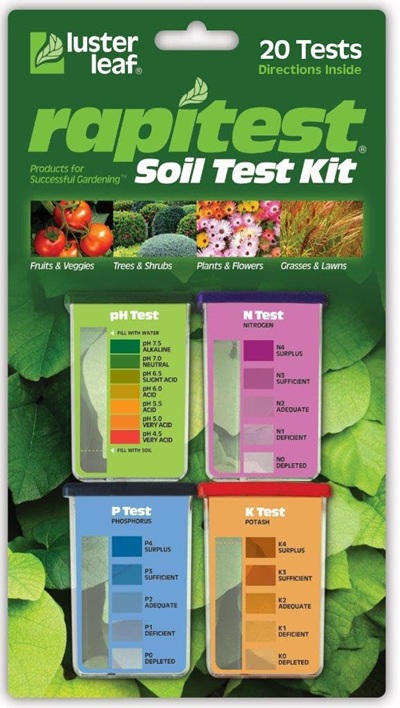
Before planting anything, use a soil test kit to understand your soil’s pH and nutrients—so you can match plants correctly and avoid costly mistakes.
Consider your existing trees
Large conifers like Douglas Fir create what’s called a ‘dry shade’ condition — deep shade combined with root competition and rain shadow. This is a challenging environment for many plants. Fortunately, it’s exactly what Sword Fern, Salal, and Oregon Grape evolved in.
We offer thorough site assessments for Washington homeowners — taking the guesswork out of knowing which plants will actually succeed in your specific yard. Book a consultation and we’ll walk your property with you.
Ready to Transform Your Yard With Native Plants? Here’s What to Do Next
The bottom line is simple: the right native plant in the right spot will outperform almost any non-native alternative over the long term. It will use less water, require less maintenance, and provide more value for local wildlife. But getting that match right takes local knowledge, careful site observation, and experience.
Here’s what working with a professional landscaper gets you that a trip to the nursery doesn’t:
- A complete site assessment — sun, shade, soil, drainage, and existing plants — before any recommendation is made
- Plant sourcing from local growers, ensuring the plants you receive are adapted to our specific regional conditions
- Professional installation that gives your plants the best possible start — proper soil prep, planting depth, and initial care
- A long-term maintenance plan, so you know exactly what to do (and what not to do) in the first few years as your plants establish
- Someone to call when you have questions — because native gardening has a learning curve, and local expertise matters
Whether you’re starting from scratch, renovating an existing landscape, or just trying to replace that one corner that never seems to work — native plants offer a sustainable, beautiful, and genuinely lower-maintenance path forward.
Ready to get started? Contact us today for a free native plant landscape assessment. We work with homeowners across Washington to design and install landscapes that thrive on our terms — not constant intervention. Learn more about our landscape design services or contact us today.
Frequently Asked Questions About Washington Native Plants
What native plants grow well in Seattle shade?
Sword Fern, Salal, Oregon Grape, Western Bleeding Heart, and Redwood Sorrel are all excellent choices for shady Seattle yards. Vine Maple is a great option if you want a small tree. All are widely available at local nurseries.
Are native plants low maintenance in Washington state?
Yes — with an important caveat. The first one to two years require regular watering and some attention while plants establish root systems. After that, most Pacific Northwest natives need very little supplemental water or care, especially if they’ve been sited correctly.
When is the best time to plant native plants in the Pacific Northwest?
Fall is the ideal time to plant most natives — from late September through November. Plants can establish roots over the mild, wet winter before facing their first dry summer. Spring planting (March through April) is the second-best window. Avoid planting in summer unless you’re prepared to water consistently.
Do I need a professional to plant natives, or can I DIY?
Many homeowners successfully plant natives on their own for smaller projects. However, for larger landscape renovations, designs that involve multiple plant communities, or sites with challenging conditions (steep slopes, very poor drainage, significant shade), working with a professional landscaper significantly increases your chances of success — and saves money in the long run by avoiding costly replanting.
How long does it take for native plants to establish?
Most native perennials and groundcovers establish within one to two growing seasons. Shrubs typically take two to three years. Trees can take three to five years before they truly hit their stride — but once they do, the low-maintenance payoff is significant.
Written by Mailen Castro • Modern Living Landscaping • Renton, WA
Ready to Bring Your Outdoor Space to Life?
Modern Living Landscaping helps homeowners across Renton and the greater Seattle area design, build, and care for beautiful outdoor spaces that feel personal, polished, and built to last.