
Peonies can live over 50 years, but only if they’re planted correctly. Here’s everything Pacific Northwest homeowners need to know about planting peonies in Washington.
By Mailen Castro
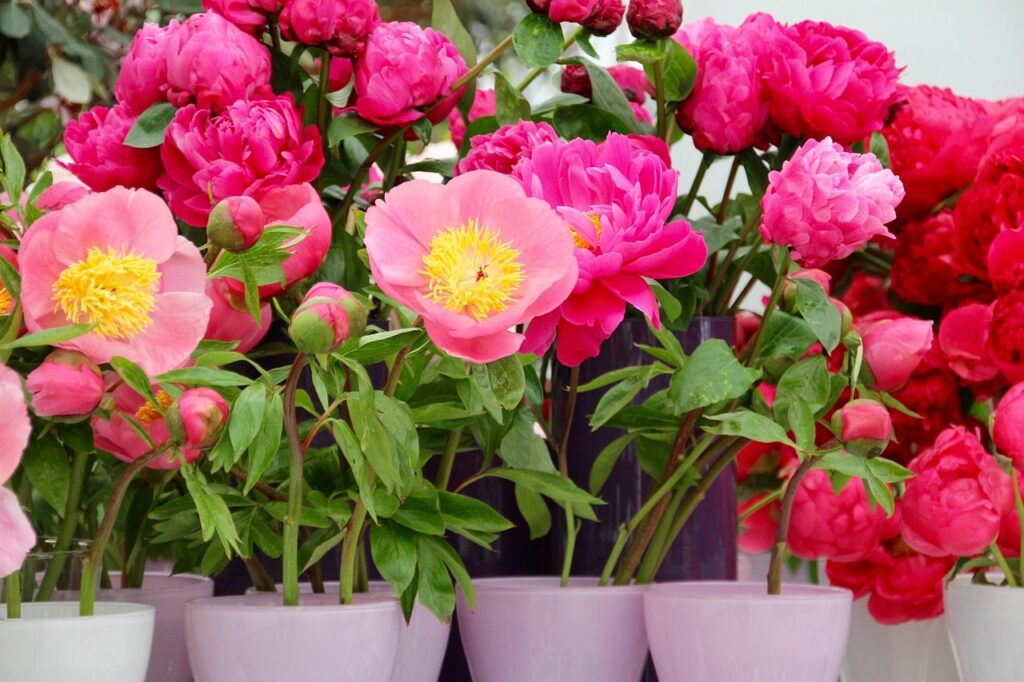
You’ve planted peonies before. Why won’t they bloom?
If you’ve ever planted peonies and gotten nothing but foliage for two or three years, you’re not alone. It’s one of the most common frustrations we hear from homeowners across the Renton and greater Seattle area. The good news: peonies aren’t fussy plants. They’re actually one of the most forgiving perennials you can put in the ground if you know the handful of things they truly care about.
Get those right, and you’ll have blooms every spring for the next half-century. Get them wrong, and you’ll be staring at a leafy mound wondering what went wrong.
The single most common reason peonies don’t bloom
Planting depth. Peonies need their “eyes” (the pink growth buds on the root) no deeper than 1–2 inches below the soil surface. Plant them too deep — even by an inch or two — and they may produce nothing but lush leaves for years. Many homeowners plant as they would other perennials, and the peonies simply never bloom.
This peony planting depth issue is something we correct all the time when we’re called in to troubleshoot existing gardens in Renton and the surrounding area. Planting depth, along with drainage and sunlight, accounts for the vast majority of peony failures we see in Pacific Northwest landscapes.
What peonies actually need to thrive in the Pacific Northwest
Washington’s climate is surprisingly well-suited for Pacific Northwest peonies, but there are a few non-negotiables:
- Full sun: At least 6 hours of direct sunlight per day. In warmer Zone 8 areas, a bit of afternoon shade helps preserve flower color.
- Well-drained soil: Peonies hate wet feet. Poor drainage is a fast track to root rot and fungal disease. If your soil stays soggy in winter, you’ll need to amend it or choose a raised bed.
- Fall planting: Plant in fall, not spring. This gives the roots time to establish before the blooming season. Spring-planted peonies often struggle in their first year.
- Patience: New peonies often take 2–3 years to bloom reliably. This is completely normal, it’s not a sign something is wrong.
Once established, peonies are extraordinarily low-maintenance. They’re drought-tolerant, rarely need dividing, and actually prefer to stay undisturbed for decades.
Give your peonies the support they deserve: simple, reliable cages for fuller, cleaner blooms.
Which type of peony is right for your yard?
Not all peonies look or behave the same. At Modern Living Landscaping, we work with three main types when designing gardens for our Renton-area clients:
| Type | Best for | Notes |
| Herbaceous | Structured, tidy beds | Dies back each winter. Most reliable performer in our region. |
| Tree Peony | Architectural anchor planting | Woody shrub with year-round structure. Stunning blooms held high above foliage. |
| Itoh Hybrid | Modern, low-maintenance landscapes | Our top pick. Dinner-plate blooms on sturdy stems that rarely need staking. |
Keeping peonies healthy: the small things that matter
Peonies are low-effort, but a few habits will keep them looking their best year after year.
- Support heavy blooms: Large-headed varieties benefit from support rings installed before the blooms open. A late spring rainstorm can flatten unsupported plants overnight.
- Don’t overwater: Botrytis blight, which causes buds to turn brown and soggy, and powdery mildew thrive in damp conditions. Peonies want consistent moisture, not saturated soil.
- Don’t worry about ants: Ants on peony buds are extremely common. They’re after the sweet nectar and don’t harm the plant. You don’t need to treat them.
- Annual cleanup: Cut back herbaceous varieties in fall and remove debris to prevent disease overwintering. That’s genuinely all the maintenance most peonies need.
Are ants showing up elsewhere in the garden? Neem oil can be a helpful option to have on hand.
When does it make sense to hire a professional?
Peonies are one of those plants where installation precision really matters. The difference between a peony planted at 1.5 inches depth and one planted at 4 inches can mean years of disappointment.
We typically recommend professional peony garden installation when:
- You’re working with challenging drainage conditions. That’s common in many Western Washington soils.
- You want a designed bed with multiple varieties that bloom in sequence across the season.
- You’ve already tried peonies without success and aren’t sure why.
- You’re incorporating peonies into a broader landscape design with other perennials, shrubs, or hardscaping.
When we install peonies for clients across Renton and greater Seattle, we treat them as the long-term investments they are — assessing soil drainage, amending as needed, selecting varieties suited to each microclimate, and planting at the precise depth for reliable blooms.
| Ready to add peonies to your Renton-area garden? Modern Living Landscaping designs and installs peony gardens for homeowners across Renton and the greater Seattle area. Whether you’re starting fresh or troubleshooting an existing planting, we’d love to help you create something that will bloom beautifully for generations. Contact us today to plan your fall peony planting! |
Frequently asked questions about planting peonies in Washington
Can peonies grow in Western Washington’s wet winters?
Yes — with good drainage. The key is ensuring water doesn’t pool around the roots. Raised beds or amended soil with added organic matter and grit can make all the difference in wetter microclimates.
How long before my new peonies bloom?
Most peonies take 2–3 years after planting to bloom fully. The first year is primarily root establishment. This is normal and expected — not a sign that something is wrong.
When is the best time to plant peonies in Washington?
Fall. Ideally September through October. This allows roots to settle in before winter and gives the plant the best start for its first spring.
Do peonies need to be divided every few years?
Unlike many perennials, peonies actually prefer to be left alone. They can thrive in the same spot for 50+ years and often bloom more abundantly as they mature.
Written by Mailen Castro • Modern Living Landscaping • Renton, WA
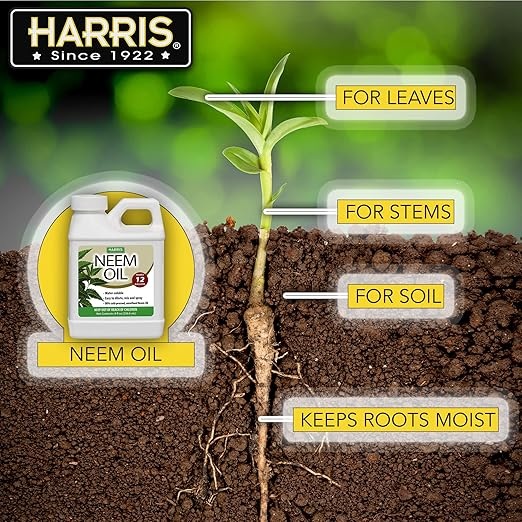
If ants are becoming an issue elsewhere in your garden, we recommend neem oil as an option to keep on hand. You can get it here.

If you’re working on a smaller project, you can get neem oil in a smaller bottle here.
Ready to Bring Your Outdoor Space to Life?
Modern Living Landscaping helps homeowners across Renton and the greater Seattle area design, build, and care for beautiful outdoor spaces that feel personal, polished, and built to last.