
Your Complete Guide to a Thriving Lawn & Garden This Spring
By Mailen Castro • Modern Living Landscaping
Spring in Renton, Washington is one of the most beautiful — and most demanding — seasons for homeowners. After months of grey skies, soggy soil, and freezing nights, your lawn and garden are ready to come back to life. But if you skip the prep work, you’ll spend all summer battling weeds, pests, moss, and patchy grass.
This guide walks you through every step of spring garden preparation in Renton — from waking up your soil and planting smart, to keeping weeds and pests in check. Whether you’re a weekend gardener or a first-time homeowner, these Renton lawn and garden tips will help you get ahead of the season.
1. Lawn & Soil Preparation: Start with What’s Under Your Feet
The foundation of any great garden starts with healthy soil — and in the Pacific Northwest, our clay-heavy, rain-soaked ground needs a little extra love each spring. Strong lawn and soil preparation in Renton makes everything else easier.
Common soil problems Renton homeowners face:
- Compacted soil from heavy fall and winter rainfall
- Low pH (acidic soil) due to our naturally acidic Northwest environment
- Thatch buildup that suffocates grass roots
- Soggy, poorly draining patches that lead to moss and root rot
What to do this spring:
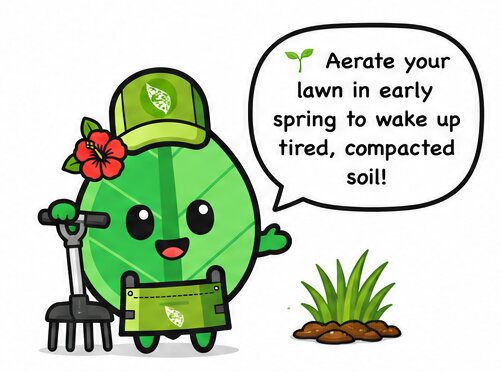
- Aerate your lawn — especially in high-traffic areas — to break up compaction and let oxygen, water, and nutrients reach the roots.
Tip from Milo!
- Test your soil pH. Most lawns in Washington are too acidic. Apply lime to raise pH and improve nutrient absorption.
- Dethatch if you have more than half an inch of thatch buildup. This can be done with a dethatching rake or a power dethatcher.
- Top-dress with compost to improve soil structure, drainage, and organic matter.
- Overseed bare or thin patches once soil temps reach at least 50°F — typically late March to April in Renton.
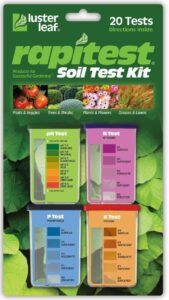
Take the guesswork out of spring planting by testing your soil’s pH and nutrient levels in minutes with a Luster Leaf Rapitest Soil Test Kit.
2. Planting & Garden Maintenance: What to Plant and When
Washington’s spring climate is unpredictable — warm days can be followed by late frosts, and rain is almost guaranteed. Knowing what to plant and when is key to avoiding costly losses.
Spring planting timeline for Renton homeowners:
- Late February – Early March: Start seeds indoors (tomatoes, peppers, broccoli, kale). Direct sow cold-hardy crops like spinach, peas, and lettuce outside once soil is workable.
- April: Transplant hardened-off seedlings outdoors. Plant perennials, ornamental shrubs, and berry bushes.
- Mid to Late May: After the last frost risk has passed (typically mid-May in Renton), plant warm-season crops like beans, squash, cucumbers, and annual flowers.
General garden maintenance checklist:
- Cut back dead perennial stems and ornamental grasses left over from winter.
- Divide and transplant overcrowded perennials like hostas, daylilies, and ornamental grasses.
- Prune shrubs and fruit trees before new growth appears (early spring is ideal).
- Refresh garden beds with fresh compost or aged manure before planting.
- Check irrigation lines, drip systems, and hose connections for winter damage.
| Washington Native Picks Consider planting native species like red flowering currant, Oregon grape, or Western sword fern. They’re low-maintenance, drought-tolerant once established, and beloved by local pollinators. |
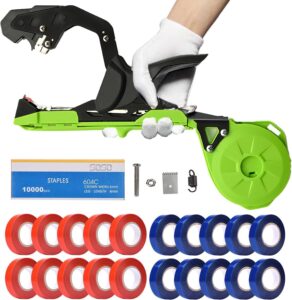
This lightweight tapener tool quickly secures tomatoes, vines, and climbing plants without damaging stems.
3. Weed Control & Mulching: Get Ahead Before They Take Over
If there’s one battle every Renton homeowner dreads, it’s weeds. Spring is the most critical time to act — catching weeds early, before they seed, is far easier than battling a full infestation in July.
Common weeds in Renton yards:
- Dandelions — deep taproots require hand-pulling or spot treatment
- Creeping buttercup — thrives in wet, compacted soil
- Blackberries — invasive, spreads rapidly, must be removed root and all
- Clover and oxalis — often indicate low nitrogen levels in the lawn
- Annual bluegrass (Poa annua) — germinates in cool, moist spring soil
Weed control strategies:
- Apply a pre-emergent herbicide in late February or early March to prevent annual weed seeds from germinating. Timing is everything — apply before soil temps consistently hit 55°F.
- Hand-pull perennial weeds like dandelions while the soil is moist — it’s the most effective way to remove the full root.
- Avoid tilling soil unnecessarily, as this brings dormant weed seeds to the surface.
- Mulch garden beds immediately after planting to suppress weeds and retain moisture.
Mulching benefits for Renton gardens:
- Suppresses weed growth by blocking sunlight
- Retains soil moisture — critical during Renton’s dry summers
- Moderates soil temperature fluctuations
- Adds organic matter as it breaks down (especially wood chip and bark mulch)
- Reduces soil compaction from heavy rainfall
Aim for 2–3 inches of mulch around garden beds and trees. Keep mulch a few inches away from plant stems to prevent rot. Bark chips, shredded leaves, or wood chip mulch all work well in the Northwest climate.
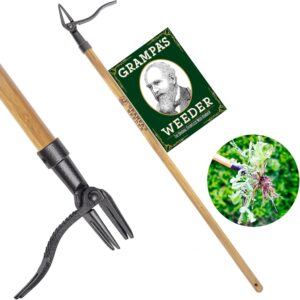
Remove stubborn weeds without bending over or using harsh chemicals with a Weed Puller.
4. Irrigation & Watering: Smart Water Management for Renton Yards
Renton gets plenty of rain in spring — but don’t be fooled. By July and August, much of Western Washington experiences genuine drought stress. Setting up a smart irrigation system now will save you time, money, and dead plants later.
Spring irrigation checklist:
- Turn on and test your irrigation system in late March or April once the threat of hard frost has passed.
- Inspect all sprinkler heads for clogging, misalignment, or winter damage. Replace any broken heads.
- Check drip lines and emitters for clogs or breaks, especially around shrubs and garden beds.
- Adjust your controller’s seasonal settings — early spring typically requires far less water than midsummer.
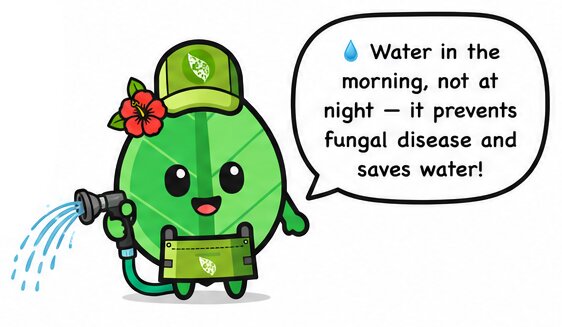
- Set irrigation schedules for early morning (between 4–8 AM) to reduce evaporation and fungal disease.
Tip from Milo!
Watering tips specific to the Pacific Northwest:
- Don’t overwater in spring — soggy soil promotes root rot, moss, and fungal issues.
- New lawns and transplants need consistent moisture; established lawns generally need less spring supplemental watering.
- Install a rain sensor or smart irrigation controller to automatically skip watering cycles when it rains.
- Deep, infrequent watering trains roots to grow deep — making plants more drought-tolerant.
| Save Water & Money A smart irrigation controller pays for itself within a season. It adjusts watering schedules based on local weather data, preventing overwatering and under-watering automatically. |
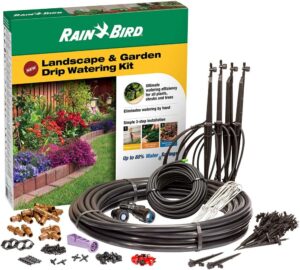
Drip irrigation saves water while delivering consistent moisture directly to plant roots.
5. Raised Beds & Vegetable Gardening: Growing Your Own Food in Renton
Raised beds are one of the best investments a Renton homeowner can make. They give you control over soil quality, drainage, and plant placement — and Washington’s cool springs are perfect for a long growing season.
Setting up raised beds this spring:
- Build or refresh raised beds in a location that gets at least 6–8 hours of direct sun per day.
- Fill or top-dress with a quality mix: 60% topsoil, 30% compost, and 10% perlite or coarse sand for drainage.
- Test the soil in existing raised beds and amend pH if needed (aim for 6.0–7.0 for most vegetables).
- Install drip irrigation or soaker hoses before planting — much easier than adding after plants are established.
- Add a layer of mulch around seedlings to conserve moisture and keep roots cool.
Best vegetables for Renton’s spring growing season:
- Cool-season crops: Lettuce, spinach, kale, arugula, peas, radishes, chard, broccoli, and cauliflower thrive in Renton’s cool, wet spring.
- Root vegetables: Carrots, beets, and turnips can be direct sown in early spring.
- Warm-season crops: Wait until late May for tomatoes, zucchini, beans, cucumbers, and basil — they need warmer soil and nights to thrive.
| Renton Tip Use a cold frame or row cover fabric over your raised beds in early spring. It extends your growing season by 3–4 weeks and protects tender seedlings from late frosts. |
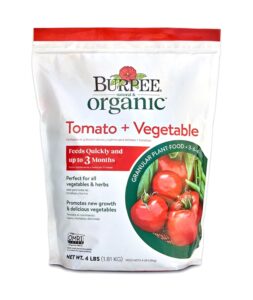
Boost vegetable growth naturally with an organic fertilizer designed for edible gardens.
6. Pest & Moss Control: Washington’s Two Biggest Spring Headaches
If there’s one thing Renton homeowners know well, it’s moss. And with spring come the slugs, aphids, and other pests that love our mild, moist climate. Getting ahead of these problems now will save you serious frustration later in the season.
Moss Control
Moss is practically a Washington rite of passage — but it’s a symptom of underlying problems, not just an aesthetic issue. Moss thrives in shade, compacted soil, poor drainage, and acidic conditions — all common in Renton lawns.
How to tackle moss this spring:
- Apply a moss killer (iron sulfate or commercial moss control product) in early spring when moss is actively growing.
- Rake out dead moss after treatment — leaving it in place will simply allow it to re-establish.
- Address the root causes: aerate compacted areas, improve drainage, raise soil pH with lime, and trim overhanging branches to increase sunlight.
- Overseed bare areas after moss removal to fill in with turf grass before weeds move in.
Pest Control
Common spring pests in Renton:
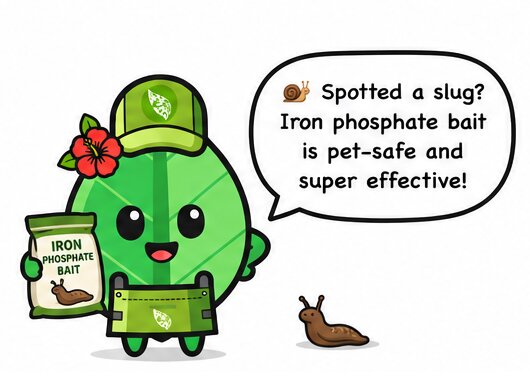
- Slugs & Snails — Renton’s top spring pest. They devastate seedlings overnight. Use iron phosphate bait (safe for pets and wildlife), copper tape around raised beds, or diatomaceous earth.
Tip from Milo!
- Aphids — Cluster on new growth and under leaves. Blast them off with water or treat with insecticidal soap. Encourage ladybugs and lacewings, their natural predators.
- Cutworms — Soil-dwelling larvae that cut seedlings at the base. Use physical collars around transplants or apply beneficial nematodes to the soil.
- Crane Fly Larvae (Leatherjackets) — Feed on grass roots causing brown patches. Apply beneficial nematodes in early spring before they pupate.
- Vine Weevils — Attack roots of many garden plants. Nematode treatment in spring is most effective.
Integrated Pest Management (IPM) approach: Start with the least invasive methods first — physical removal, barriers, and biological controls — before moving to chemical treatments. This protects beneficial insects like bees and reduces chemical runoff into Washington’s waterways.
| Moss and pests are no match for our spring treatment programs. We assess your specific yard conditions and apply targeted, effective solutions that are safe for your family and the environment. Call us to schedule a spring treatment today. |
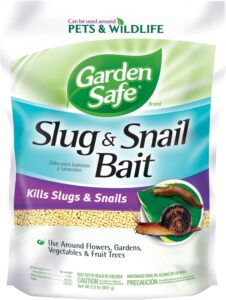
Pet-safe slug control that protects young plants from overnight damage.
When to Call a Professional Landscaper in Renton
Many spring garden tasks are very manageable as DIY projects — but some situations genuinely benefit from professional expertise, equipment, or product access. Consider calling a professional when:
- Your lawn has severe moss coverage (over 50% of the lawn area) — this requires a systematic, multi-step treatment plan.
- You have drainage problems causing standing water, soggy patches, or erosion — these require proper grading or French drain installation.
- You want a full irrigation system installed, repaired, or winterized properly.
- Invasive plants like blackberries, ivy, or knotweed have taken over — these require specialized removal techniques.
- You’re starting a full garden redesign — raised beds, new planting zones, or lawn renovation.
- Pest problems have gotten out of hand and DIY methods aren’t working.
- You simply don’t have the time — spring is short and the window for effective prep is narrow.
Ready to Bring Your Outdoor Space to Life?
Modern Living Landscaping helps homeowners across Renton and the greater Seattle area design, build, and care for beautiful outdoor spaces that feel personal, polished, and built to last.